Real cost of stair carrying rubbish clearance in E13 Plaistow
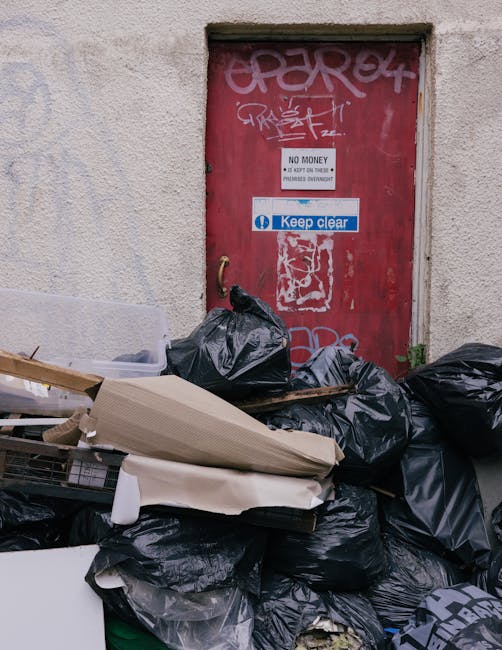
If you are trying to work out the real cost of stair carrying rubbish clearance in E13 Plaistow, you are probably dealing with the awkward bit nobody enjoys: heavy bags, bulky items, narrow stairwells, and a job that looks simple until you actually start moving things. Truth be told, the price is not just about how much rubbish you have. It is also about stairs, access, labour time, item type, safety, and how quickly the team can complete the clearance without damaging walls, bannisters, or your back.
This guide breaks the cost down in plain English. You will see what stair carrying really involves, why it changes the price, how services usually work in Plaistow, and where people often get caught out with hidden extras. We will also cover practical steps, a useful checklist, and a few things that are easy to overlook when you are comparing quotes. Let's keep it simple and useful.
Why Real cost of stair carrying rubbish clearance in E13 Plaistow Matters
Stair carrying changes rubbish clearance in a very practical way. A flat on the second or third floor, a maisonette with a tight landing, or a converted building with awkward turns can turn a quick clearance into a longer, heavier job. And longer jobs cost more. Simple as that.
In E13 Plaistow, that matters because homes and blocks often have mixed access conditions. Some places have narrow staircases, shared hallways, limited parking, and no lift. A clearance team may need more time just to move items safely from the door to the vehicle. That extra handling is where the cost starts to rise.
People sometimes assume rubbish removal is priced only by load size. It is not. Load size matters, yes. But if everything has to be carried down several flights, the labour element becomes more significant. That is why one quote can look cheap online and then creep up once the provider sees the stairs, the distance to the van, or the number of trips required. Nobody likes that surprise. Nobody.
For you, understanding the real cost means better decisions. It helps you compare quotes properly, ask the right questions, and avoid paying for inefficiency or vague pricing. It also helps when you are deciding whether to bundle items into one clearance or split the job into smaller visits.
Expert summary: The real price of stair carrying rubbish clearance is usually shaped by labour time, access difficulty, weight, volume, item type, and how safely the team can work-not just by the amount of waste itself.
How Real cost of stair carrying rubbish clearance in E13 Plaistow Works
Most clearance services follow a fairly straightforward process, but the stair element changes how they estimate the job. Here is the basic flow.
1. You describe the waste and access
You will usually be asked what needs removing, how much there is, and whether it must be carried down stairs. A decent provider will want to know the floor level, whether the stairwell is narrow, whether there is a lift, and whether parking is close by. That last bit matters more than people think. A van that has to park far away adds time.
2. A quote is built around labour and volume
The quote is often based on how long the removal will take and how much van space the rubbish will take up. If the job involves stair carrying, the provider may add a labour premium or a minimum charge. This does not automatically mean overcharging. It is often simply the cost of extra physical handling and safety precautions.
3. The team plans the route
On arrival, the crew should assess the route from the property to the vehicle. They may protect corners, avoid banging walls, and decide whether heavier items need two people. That is normal. In a real house, not a showroom, stair carrying can be fiddly. A wonky landing or a low ceiling can make even a wardrobe feel like a puzzle.
4. Items are removed and loaded
Most providers will sort items as they go, separating reusable or recyclable material where possible. If your clearance includes mixed waste, furniture, or broken appliances, the handling time may differ for each category. Something like a mattress is awkward in stairs; a bag of light mixed rubbish is easier. That difference shows up in pricing.
5. Disposal and recycling are accounted for
Good operators do not just disappear with the waste. They must dispose of it properly, and that disposal cost is part of the price. If an item requires special handling-such as refrigeration units, electricals, or waste with contamination-the cost can rise. If you want a broader understanding of disposal routes, it can help to read about waste removal and how different rubbish types are handled.
Key Benefits and Practical Advantages
Once you understand the real cost, the benefits are easier to see. It is not only about saving money. It is about avoiding hassle, risk, and wasted time.
- Clearer budgeting: You can compare quotes on the same basis instead of guessing what is included.
- Less physical strain: Stair carrying is tiring and, frankly, not worth a bad back or a chipped wall.
- Safer removal: Professionals are used to moving awkward items through tight spaces.
- Fewer delays: A well-planned clearance can be completed faster than a DIY attempt with a borrowed van and a mate who is "nearly here".
- Cleaner finish: Teams often sweep up and leave the area tidier than before.
There is also a hidden advantage: certainty. When you know what makes up the cost, you can choose whether to pay for convenience, speed, or a bigger one-off clearance. That makes the whole thing less stressful.
If your rubbish is mixed with old furniture or household clutter, related services such as flat clearance, house clearance, or home clearance may be more suitable than a basic uplift. Each one tends to suit a different kind of job.
Who This Is For and When It Makes Sense
This kind of service makes sense for a fairly wide range of people, especially where stairs are part of the job.
Typical situations
- Flat residents: If you live above ground level and need bulky waste gone.
- Landlords and agents: Especially after a tenant move-out with left-behind items.
- Homeowners clearing clutter: Maybe it is the spare room, the loft, or the back bedroom that has quietly filled up.
- Busy families: If you simply do not have the time or energy to drag heavy items downstairs.
- Businesses in converted buildings: Offices and workspaces on upper floors often need careful manual handling.
It makes sense when the value of convenience outweighs the effort of doing it yourself. That may sound obvious, but people often underestimate the time, parking hassle, and lifting involved. One sofa on the third floor can become a whole afternoon. Two sofas and a broken wardrobe? That is a mini event, really.
If you are clearing furniture specifically, it may help to look at a dedicated option like furniture clearance or, for larger pieces, furniture disposal. These services are often more efficient than general rubbish removal when bulky items are the main issue.
Step-by-Step Guidance
If you want the most accurate price and the least drama on the day, follow a simple process.
Step 1: List everything you want removed
Write down the items. Be specific. "A few bags" is not as useful as "six black sacks, one mattress, one chest of drawers, and a broken desk chair." The more precise you are, the less likely you are to get a vague quote.
Step 2: Note the access details
Tell the provider:
- which floor the items are on
- how many stairs there are
- whether there is a lift
- if the stairwell is narrow or awkward
- whether parking is close
- if any items are very heavy or fragile
Step 3: Ask what is included
This is a big one. Ask whether the quote includes labour, loading, disposal fees, recycling, VAT if applicable, and any extra charges for stairs. A quote that sounds lower at first may turn out to be less competitive once all the extras are added. If you have ever seen a "cheap" bill become not-so-cheap, you will know the feeling.
Step 4: Confirm timing and crew size
For stair carrying, the number of operatives can matter. A two-person team may be more efficient and safer for large items, even if the headline price looks a touch higher. That can actually be better value. Faster, safer, less faff.
Step 5: Prep the space before collection
Move small obstacles out of the route, unlock doors, and separate items if possible. If you can bring waste near the entrance safely, that may reduce handling time. Do not strain yourself doing it, though. It is not worth it.
Step 6: Check the final price before loading
A reputable provider should confirm the final cost before starting. If the job is different from the description, they should explain why the price changes. That conversation should feel clear, not awkward.
If you are arranging work online, a page like pricing and quotes can help you understand how estimates are usually structured before you book.
Expert Tips for Better Results
In our experience, a few small decisions make a noticeable difference to both price and smoothness of service.
- Be honest about access: If there are three flights of stairs, say so. Guessing low only causes delays and revised pricing later.
- Combine similar jobs: If you have furniture, bags, and a couple of appliances, booking them together may be better value than splitting them.
- Choose the right service: A specialist clearance is often cheaper than a generalist job once labour is taken into account.
- Sort dangerous or awkward items early: Don't leave sharp, leaking, or questionable items mixed in with general waste.
- Ask about recycling: Providers with a recycling focus may handle mixed waste more thoughtfully.
One practical point people miss: access time matters just as much as lifting time. If the van cannot stop nearby, if the entrance is busy, or if the building rules slow movement down, the price can reflect that. That is not the provider being difficult. It is just reality in a dense part of London.
If your clearance includes a lot of bulky household waste, the guidance in money-saving tips for bulky waste item removal may give you a few useful ideas before you book. It is the kind of thing people wish they had read a day earlier.
Common Mistakes to Avoid
A lot of cost problems come from simple misunderstandings, not bad intentions. Still, they can sting.
1. Giving a vague description
If you just say "some rubbish," the quote may only be a rough estimate. That can lead to adjustment on arrival. Better to be detailed from the start.
2. Forgetting to mention stairs
This sounds obvious, but it happens. Stair carrying is one of the biggest factors in job difficulty. Forgetting it can distort the quote completely.
3. Ignoring parking and access
Even if the waste is not much, a distant parking spot can add time. In busy parts of E13, this is not rare.
4. Assuming all furniture is treated the same
A sofa, a wardrobe, and a mattress each create different handling issues. If you want to understand item-specific disposal better, look at mattress and sofa disposal for a more targeted approach.
5. Choosing the lowest quote without checking what is included
The cheapest headline price can be a false economy if stairs, labour, or disposal are added later. Better to pay a fair, transparent price than a suspiciously low one that grows legs.
6. Not checking safety and insurance basics
For heavier jobs, you want confidence that the team knows what it is doing. That does not mean asking for a lecture, just sensible reassurance.
Tools, Resources and Recommendations
You do not need specialist kit for a standard domestic clearance, but a few practical tools and preparations help.
- Clear labels or tape: Mark items to keep, donate, or remove.
- Sturdy gloves: Useful if you are moving lighter items yourself before the crew arrives.
- Measuring tape: Handy for checking whether furniture will fit through stair turns and doorways.
- Mobile flashlight: Useful in darker stairwells or basements.
- List of items: The simplest tool of all, and often the most effective.
As a recommendation, gather photos before you request a quote. A clear picture of the items, stairs, and landing can help a provider give a more accurate estimate. It is especially useful if your waste is mixed or if the property has awkward access.
If your clearance job is tied to a wider tidy-up, you may also find related guidance useful, such as garage clearance, loft clearance, or garden clearance. Different spaces bring different labour demands, and stairs can change all of them.
Law, Compliance, Standards, or Best Practice
For rubbish clearance in the UK, the key point is simple: waste should be handled and disposed of responsibly. You do not need to become an expert in waste law to book a service, but you should expect the operator to follow sensible best practice around transport, sorting, and disposal.
From a customer point of view, the safest approach is to use a provider that is clear about what happens to the waste after collection, especially if there are electrical items, mixed materials, or anything potentially hazardous. Items such as fridges, freezers, paints, chemicals, and similar materials may require special handling. If you are dealing with anything unusual, ask first rather than guessing.
There is also a practical safety angle. Stair carrying should be done with care to avoid injuries, damaged walls, or dropped loads. Good providers use sensible lifting methods and plan the removal route before moving bulky items. That is not just professionalism; it is basic common sense.
If you have commercial waste, confidential material, or a job with added sensitivity, services such as business waste removal or confidential shredding may be more appropriate than a general clearance. And if safety is a major concern, it is worth reviewing insurance and safety information before booking.
Options, Methods, or Comparison Table
Not every clearance needs the same approach. If you are deciding how to handle a stair-carry job in E13 Plaistow, this quick comparison may help.
| Option | Best for | Pros | Cons |
|---|---|---|---|
| DIY removal | Very small loads, light items | Can look cheaper at first | Hard work, parking stress, injury risk, time-consuming |
| Man-and-van style clearance | Moderate amounts of mixed rubbish | Flexible, usually faster than DIY | Stairs and heavy items can increase cost |
| Specialist flat or house clearance | Bulky furniture, whole-room clearances, inherited clutter | Better suited to larger jobs, usually more organised | May cost more upfront, but often better value overall |
| Item-specific disposal | Sofas, mattresses, appliances, fridges | Targeted handling, efficient for single bulky items | Not ideal if you have varied rubbish types |
To be fair, the best option is often the one that saves you the most stress per pound spent. That is the real calculation. Not just pounds and pence.
Case Study or Real-World Example
Here is a realistic example from a typical E13-style scenario. A resident in a top-floor flat had six black bags, a broken bookcase, an old TV unit, and a mattress to remove. The staircase was narrow, with one awkward turn halfway down and no lift. On paper, it was a modest clearance. In practice, it needed careful carrying, two people, and a little extra time because the landing was tight.
The quote changed once the access details were shared honestly. Not dramatically, but enough to matter. The provider explained that the main difference was labour time rather than disposal volume. That made sense, and the job went ahead without surprises. The crew protected the corners, worked steadily, and cleared the items in one visit instead of forcing the resident to break the job into smaller chunks.
The useful lesson? Stairs do not just add effort. They change the logistics. Once that is understood, the price feels far more logical. People usually relax once they know what they are paying for. Funny how that works.
Practical Checklist
Use this checklist before you request a quote or book a clearance.
- List every item you want removed.
- Count the flights of stairs.
- Note whether there is a lift.
- Check if parking is close to the entrance.
- Measure bulky items if you suspect tight turns.
- Separate hazardous or unusual items.
- Take a few clear photos.
- Ask what the quote includes.
- Confirm whether stair carrying is already factored in.
- Ask about recycling and disposal methods.
- Confirm the arrival window and crew size.
- Prepare a clear route where possible, but do not overdo it if lifting is risky.
Small checklist, big difference. Really.
Conclusion
The real cost of stair carrying rubbish clearance in E13 Plaistow is shaped by much more than the amount of waste. Access, stairs, labour, item type, parking, and disposal all play a part. Once you understand those moving pieces, quotes become easier to compare and far less mysterious.
If you are planning a clearance, the best thing you can do is be clear, honest, and specific. That alone can save you money and avoid last-minute headaches. And if you have mixed waste, bulky furniture, or a job that feels too awkward to tackle alone, a professional clearance is often worth it for the peace of mind. In a busy part of London, that peace of mind counts for a lot.
Get a free quote today and see how much you can save.
If you are still weighing up the best route, take your time, gather a few details, and choose the option that feels calm, fair, and straightforward. A good clearance should leave you lighter, not more stressed.
Frequently Asked Questions
What does stair carrying rubbish clearance actually include?
It usually includes the manual removal of waste or bulky items from an upper floor or a property with stairs, plus loading and disposal. In many cases, the quote also covers labour time, but you should always check whether stairs are already included or treated as an extra.
Why does stair carrying cost more than ground-floor clearance?
Because it takes more time, effort, and often more than one person to move items safely. Staircases also increase the risk of damage or injury, so the provider has to plan the job more carefully. That extra work is what pushes the price up.
How can I get a more accurate quote in E13 Plaistow?
Send photos, list the items clearly, mention the number of stairs, and explain parking access. If there is a lift, say so. If the stairwell is very narrow, mention that too. The more detail you give, the less likely you are to get a surprise later.
Is it cheaper to move rubbish downstairs myself before the crew arrives?
Sometimes it is, but only if it is safe and you are not likely to hurt yourself. Light bags or small items may be manageable. Heavy furniture, white goods, or awkward loads are usually better left where they are and handled by the team.
Do all rubbish removal companies charge extra for stairs?
No, but many factor stairs into the labour cost in some way. Some providers build it into the quote, while others add it as part of access difficulty. Either way, it should be explained clearly before work starts.
What items are hardest to carry down stairs?
Sofas, wardrobes, mattresses, fridges, washing machines, and anything bulky or awkwardly shaped tend to be the trickiest. Sharp turns, narrow landings, and low ceilings make the job even more fiddly.
Can I book a clearance for just one bulky item?
Yes, and that is quite common. A single bulky item may still need stair carrying if it is on an upper floor. Services like furniture disposal or mattress and sofa disposal can be a better fit than a general rubbish clearance if you only have one or two items.
How do I avoid hidden charges?
Ask exactly what is included in the quote: labour, loading, disposal, recycling, VAT if applicable, stair carrying, and any parking-related issues. If anything sounds vague, ask them to spell it out in plain language before you book.
What should I do if my stairs are very narrow?
Tell the provider in advance and send photos if you can. Narrow staircases may require extra labour, protective care, or a different lifting approach. It is much better to flag this early than to discover it on the day.
Is stair carrying rubbish clearance suitable for office or business premises?
Yes, especially in older or converted buildings where offices are on upper floors. For commercial waste, it may be worth looking at a more tailored service such as business waste removal so the handling, timing, and disposal are matched to the setting.
What happens to the waste after collection?
That depends on the provider and the waste type, but responsible services usually separate recyclable items where possible and take waste to an authorised disposal or transfer facility. If you have specific concerns, ask about the provider's recycling and disposal approach before booking.
How far in advance should I book?
If the job is simple, you may be able to book fairly quickly. If it involves multiple floors, heavy items, or a larger clearance, it is sensible to book as soon as you know the date you need. A bit of notice can help secure a better time slot and a smoother collection.